
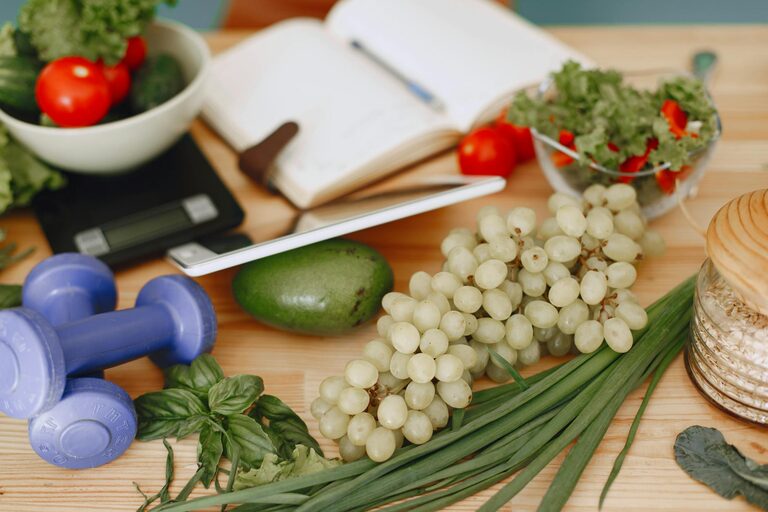
Planning balanced meals can sometimes feel overwhelming, especially with our busy lives and endless food choices. However, creating nutritious and enjoyable meals doesn’t have to be stressful. With a few straightforward strategies, you can simplify the process, enjoy a variety of foods, and support your health without spending hours in the kitchen.
In this post, we’ll explore easy ways to plan balanced meals that fit your schedule and taste buds while keeping mealtime stress at bay.
What Is a Balanced Meal?
A balanced meal includes the right portions of different food groups to provide essential nutrients your body needs. Typically, a balanced plate contains:
– Vegetables and fruits: Rich in vitamins, minerals, and fiber.
– Proteins: Such as lean meats, beans, eggs, or tofu to support muscle and tissue repair.
– Whole grains: Like brown rice, quinoa, or whole wheat bread, providing energy and fiber.
– Healthy fats: Found in nuts, seeds, avocados, or olive oil, supporting brain health and nutrient absorption.
Balancing these components promotes sustained energy and overall wellness.
Why Plan Meals in Advance?
Meal planning reduces last-minute decisions that can lead to unhealthy choices or takeout. It helps with:
– Saving time and money
– Reducing food waste
– Ensuring nutritional balance
– Making grocery shopping efficient
– Lowering mealtime stress
Steps to Plan Balanced Meals Without Stress
1. Start with Your Schedule
Look at your upcoming week to identify busy days, social events, or when you can spend more time cooking. Knowing your schedule helps you choose meal options that fit your time availability.
2. Choose Simple Recipes You Enjoy
Opt for meals with a few ingredients or one-pot recipes that are easy and quick. Don’t feel pressured to try complicated dishes. Planning recipes you love boosts motivation and enjoyment.
3. Aim for Variety and Color
Including different colors on your plate usually means a range of nutrients and flavors. Mix vegetables, whole grains, and proteins through the week to keep meals interesting.
4. Make a Weekly Meal Plan
Outline your meals for each day — breakfast, lunch, dinner, and snacks if needed. Keep it flexible; you can swap days if necessary.
5. Create a Shopping List
Write down all ingredients required based on your meal plan. Organize the list by grocery sections to save time in the store.
6. Prep Ingredients Ahead
Consider chopping vegetables, cooking grains, or portioning proteins in advance, especially for busy weekdays. Prepping ahead makes cooking faster and easier.
Tips for Balanced Breakfasts
Breakfast sets the tone for the day. Here are some easy balanced ideas:
– Greek yogurt with fresh fruit and a sprinkle of nuts
– Whole grain toast with avocado and a boiled egg
– Smoothies with spinach, banana, protein powder, and almond milk
– Oatmeal topped with berries and seeds
Balanced Lunch and Dinner Ideas
To keep lunches and dinners balanced and stress-free:
Batch Cooking
Prepare larger portions of meals like stews, casseroles, or grain bowls. You can enjoy leftovers or pack lunches without extra effort.
Build-Your-Own Bowls
Use a base of whole grains or leafy greens, add a protein source, a variety of veggies, and a healthy fat or dressing. This flexibility allows for quick assembly without compromising balance.
Quick Stir-Fries or Sheet Pan Dinners
These methods combine proteins and vegetables and cook quickly, minimizing cleanup and cooking time.
Tips to Avoid Common Meal Planning Pitfalls
– Don’t overcomplicate: Stick to simple meals to make planning manageable.
– Allow flexibility: Life happens! It’s okay to change plans or eat out occasionally.
– Use technology: Meal planning apps or calendars can help keep you organized.
– Keep staples stocked: Items like canned beans, frozen vegetables, and whole grains make it easier to assemble meals on short notice.
Final Thoughts
Planning balanced meals without stress is achievable with a bit of preparation and realistic expectations. By understanding what a balanced meal looks like, scheduling planning time, and keeping things simple, you can enjoy nutritious, tasty meals every day.
Remember, the goal isn’t perfection but making manageable choices that support your wellbeing. Start small, experiment with what works for you, and watch how meal planning becomes a helpful, stress-reducing habit.
—
Happy meal planning!